

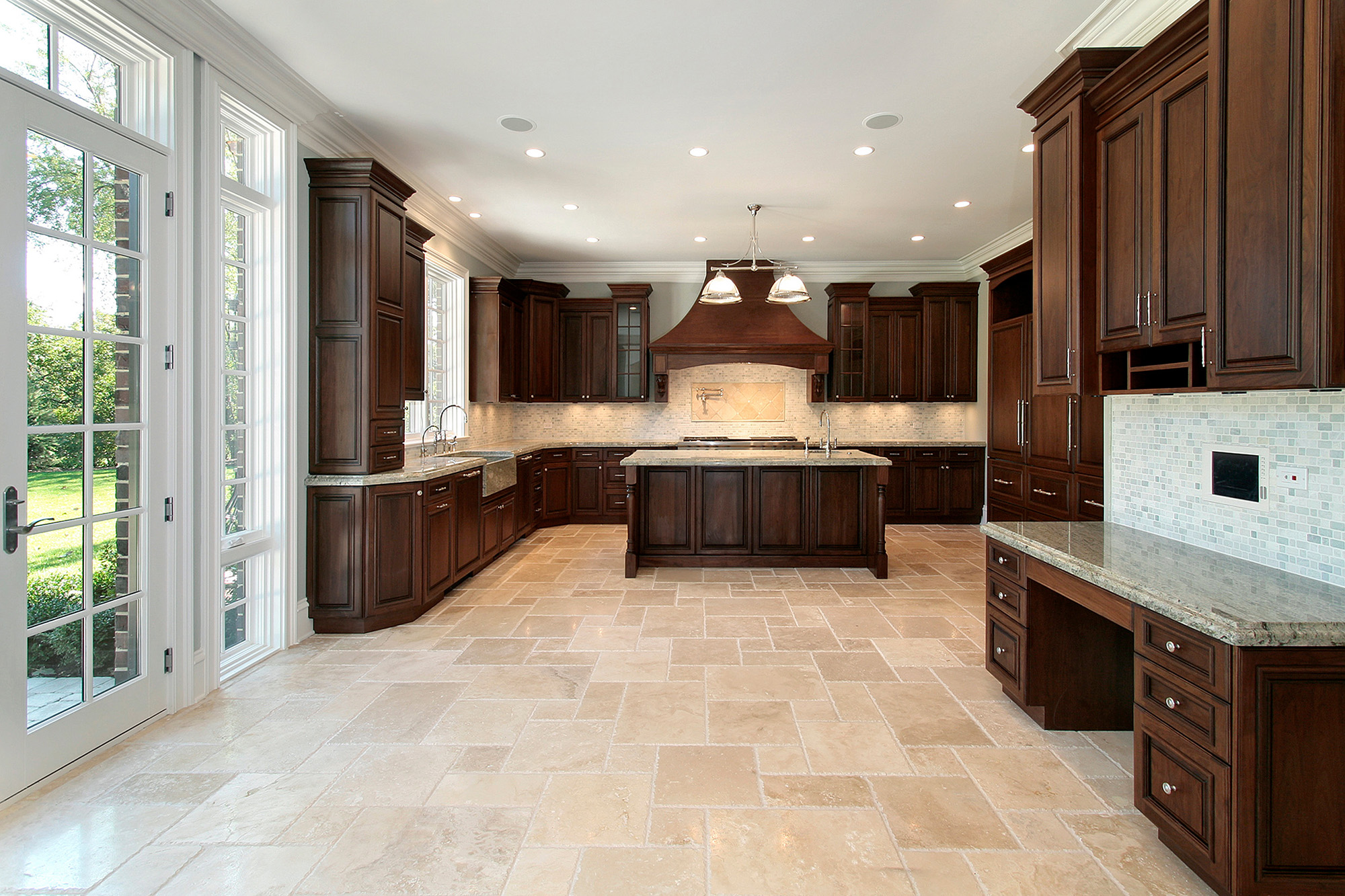
Sub-tropical Florida humidity and fine beach sand turn light grout lines dingy faster than standard dirt. Spilled drinks, damp shoes, and tracked-in grit quickly collect in porous floor joints, leaving your kitchen and entryways looking worn. You can keep your tile floors looking clean by making strategic choices about grout color, joint width, and material composition before installation begins.
Material Composition Stops Moisture and Stain Absorption
Standard cement grout functions like a dense sponge, soaking up liquids, pool water, and fine sand along high-traffic paths. Florida air conditioning combined with concrete slab foundations creates a persistent moisture draw that pulls dampness into untreated joints.
Epoxy grout provides a complete defense against water penetration and permanent staining. Formulated from specialized resins, epoxy cures into a solid, non-porous barrier that repels liquids and prevents dark mildew growth inside the joints. Spilled juice, tracked-in dirt, and pool splashes wipe off the surface without sinking in.
High-performance cement grouts modified with built-in sealers offer another strong option. These advanced formulas resist liquid absorption far better than basic contractor-grade mixes, reducing the need for constant sealing year after year.
Deeper Neutral Colors Camouflage Daily Sand and Dirt
Bright white or pale cream grout lines look crisp on a showroom display, but they capture every speck of dirt brought in from your lanai or backyard. Fine beach sand acts like an abrasive grit, working surface dust deep into light-colored joints along your primary walking paths.
Selecting deeper neutral shades keeps your tile floors looking clean between routine sweepings:
Warm Taupe and Greige: Mid-tone shades blend naturally with popular wood-look porcelain planks while masking fine sand tracked in from beach trips.
Medium Gray: Charcoal and slate tones complement large-format stone tiles in entryways, hiding dark dirt from shoes and pet paws.
Muted Tan: Earthy brown hues work exceptionally well in kitchens, disguising food crumbs and shoe marks near cooktops and sinks.
Matching your grout shade to the darkest grain or vein in your porcelain tile creates a cohesive visual surface. This choice prevents grout lines from standing out as stark grid patterns, keeping the focus on your tile while disguising daily wear.
Pairing Grout Colors with Specific Tile Styles
Different tile designs need specific grout pairing strategies to maintain an appealing look across open-concept floor plans. The wrong contrast level can make a high-end tile installation look choppy or overly busy under bright coastal light.
Wood-Look Porcelain Planks
Wood-look tiles rely on subtle grout lines to simulate the appearance of continuous hardwood floors. Picking a grout shade that is one shade darker than the primary background color of the plank hides the joint entirely. Darker joints mimic the natural shadow line between real wood boards while hiding sand particles that settle into the seams.
Large-Format Marble and Stone Porcelain
Large-format tiles feature delicate veining and subtle color shifts across the surface. Choosing a neutral grout that matches the dominant accent vein ties the room together without creating harsh contrast. Matching the grout to an accent tone lets the beauty of the stone pattern stand out while absorbing minor surface dirt along busy hallways.
Visual Effects of Grout Line Contrast Under Florida Sunlight
Bright, natural sunlight streaming through sliding glass doors magnifies every line and seam across your floor. High-contrast grout lines—such as dark grout paired with white tile—draw immediate attention to the grid pattern itself rather than the quality of the tile.
Low-contrast grout selections create a soft, continuous surface that makes smaller kitchens and entryways feel larger and more open. Blending the grout shade directly with the tile body allows light to reflect evenly across the room. This seamless visual flow prevents high-traffic walkways from looking cluttered, even when daily beach sand drifts across the threshold.
Narrow Joint Widths Limit Space for Dirt Collection
Wide grout lines create recessed channels that trap sweeping debris, sand particles, and mop water. Every time you sweep or vacuum, dirt settles into those deep lines rather than sliding off the floor.
Choosing rectified porcelain tile allows our installation teams to set narrow grout joints, often down to one-sixteenth of an inch. Rectified tiles feature precision-cut edges that sit close together on a level subfloor. Narrower joints leave less room for dirt to collect, making daily dust mopping fast and easy.
Upgrade Your Southwest Florida Tile Floors
Designing a clean, low-maintenance floor starts with selecting the right combination of tile, grout, and joint spacing. At Wayne Wiles Floor Covering, our family has spent forty years helping local neighbors select and install durable floors that stand up to real life. Visit our Fort Myers showroom or our Naples showroom to explore our tile collection and test grout options in person, or contact us today to schedule your home measurement.


