

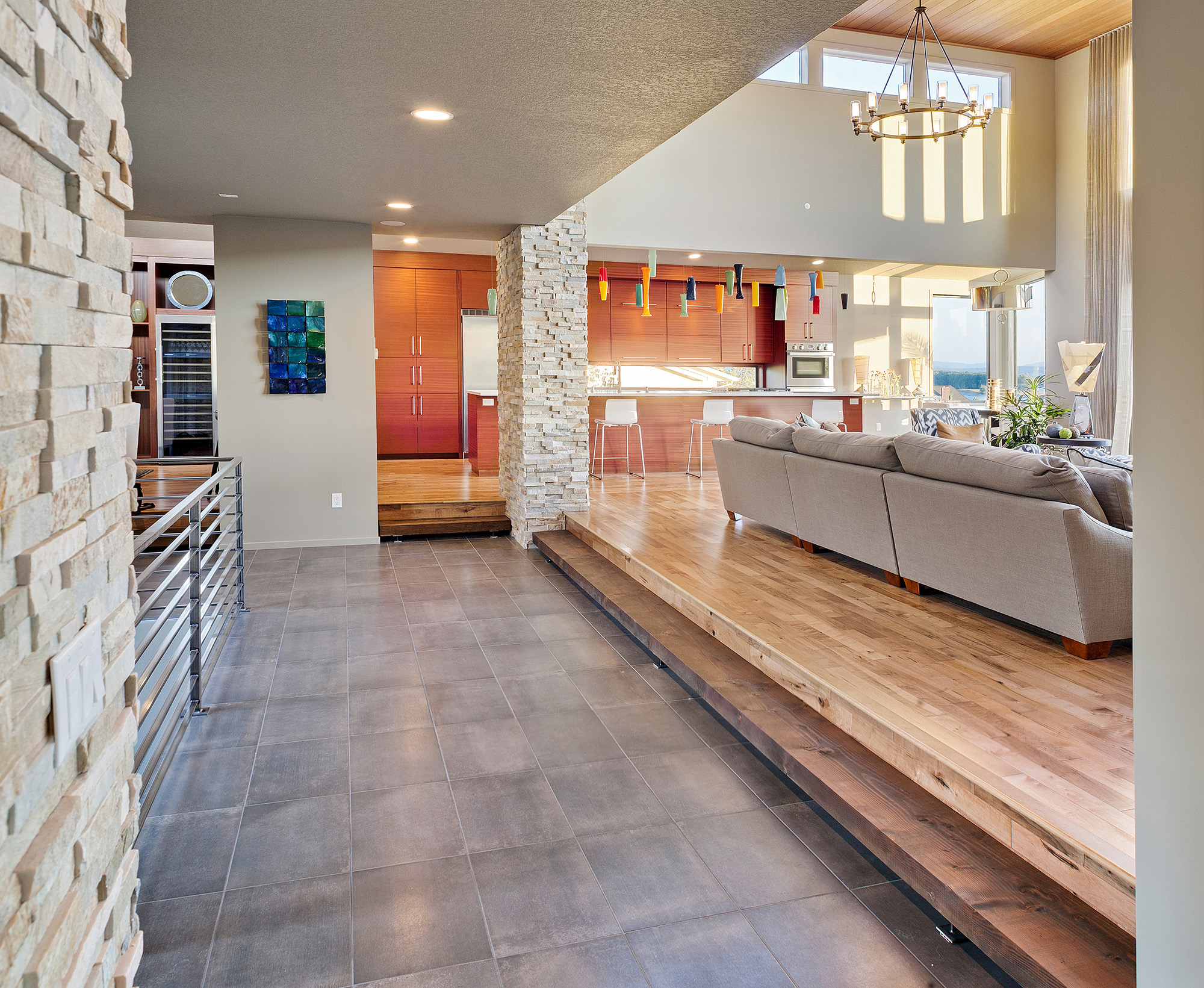
In Naples, FL, waterfront condo living often combines open living areas, expansive windows, and inviting spaces for entertaining. Choosing hardwood for your living room and tile for your kitchen, entryway, or other moisture-prone areas can give you the best of both materials. The key is making the change between surfaces look intentional rather than abrupt.
At Wayne Wiles Floor Coverings, we help you explore flooring combinations that complement your condo's design while addressing Southwest Florida's humid climate and coastal lifestyle.
At a Glance
Coordinate colors: Choose hardwood and tile tones that complement each other without making the transition feel forced.
Plan the layout: Align edges with doorways, kitchen islands, or other architectural features.
Manage height differences: Select an appropriate transition detail to create a comfortable, finished connection.
Consider moisture: Use tile where wet feet, spills, or tracked-in water are more likely.
Prioritize installation: Accurate measurements and proper subfloor preparation help achieve a clean, durable result.
Choose Materials That Complement Each Other
Successful hardwood and tile flooring transitions begin with the materials themselves. In Naples waterfront condos, light oak-inspired hardwood paired with cream, ivory, or warm-gray porcelain tile can create a relaxed coastal aesthetic. If your interior features darker cabinetry or contemporary furnishings, medium-brown hardwood and understated stone-look tile can provide a sophisticated contrast.
You don't need identical undertones, but the colors should feel related. For example, warm hardwood generally pairs well with beige or warm-white tile, while cooler wood tones may work better with neutral gray surfaces.
Texture matters, too. A matte porcelain tile can complement the natural grain of hardwood without introducing competing shine. Explore our hardwood flooring options and tile selections to compare materials and finishes.
How to Create Seamless Transitions Between Hardwood and Tile Floors
A seamless transition doesn't necessarily mean making both materials look alike. Instead, it means connecting them in a way that feels deliberate and works with your floor plan.
Align the Transition With Your Layout
In an open-concept condo, consider placing the material change along a natural boundary, such as the edge of a kitchen island, a doorway, or the point where the entryway meets the living area. This helps define each zone without adding walls or interrupting the room's flow.
Straight transitions often suit contemporary interiors, while carefully planned angled or curved transitions can work in more distinctive layouts. The shape should complement the room rather than create unnecessary visual complexity.
Keep Floor Heights Consistent
Hardwood and tile may differ in thickness, and their underlayments and installation systems can create additional height differences. Your installer should evaluate both materials and the subfloor before installation begins.
When the surfaces cannot be made flush, a properly selected transition strip can help bridge the difference and reduce the risk of tripping. Our hardwood installation services can help you plan the details of your flooring project.
Choosing the Best Transition Strips for Hardwood and Tile Flooring
The best transition strip depends on the height difference, the edges of the materials, and your preferred appearance.
Flush transitions: When both surfaces can meet at a compatible height, a narrow joint with an appropriate flexible sealant or other manufacturer-approved detail can create a clean look.
Metal transition profiles: Slim metal profiles provide a contemporary finish and can protect exposed edges where the installation requires them.
Wood or coordinating profiles: A profile that complements the hardwood can soften the visual change between warm wood and tile.
Reducer strips: Where one surface sits higher than the other, a reducer may provide a gradual change in height.
Not every transition requires a raised strip. The right solution depends on the installation system, movement requirements, and manufacturer specifications.
Account for Naples' Coastal Conditions
Southwest Florida's humidity, summer thunderstorms, and waterfront lifestyle make moisture management an important part of flooring design. Tile is often practical near entries and kitchen work areas where wet shoes, spills, and tracked-in moisture are more common. Hardwood can bring warmth and character to living spaces, provided the product and installation suit the indoor conditions.
For waterfront condos, also consider sand, frequent cleaning, and the effects of air-conditioning cycles on indoor humidity. Use entrance mats, clean spills promptly, and follow each flooring manufacturer's care recommendations.
Budgeting for Your Flooring Project
Combining two flooring materials involves more than choosing colors. Your budget should account for subfloor preparation, height adjustments, transition profiles, and the precision required to bring both surfaces together.
If you're planning an update, learn more about our financing options, subject to credit approval.
Create a Cohesive Look in Your Naples Waterfront Condo
Thoughtful hardwood and tile flooring transitions can define functional areas while preserving the open, airy feeling that makes waterfront condo living appealing. By coordinating finishes, aligning material changes with your layout, and addressing floor heights and moisture conditions, you can achieve a result that looks polished and performs well.
At Wayne Wiles Floor Coverings, we're here to help you bring your design ideas together. Contact our team to discuss your Naples condo flooring project and explore hardwood and tile combinations tailored to your space.


